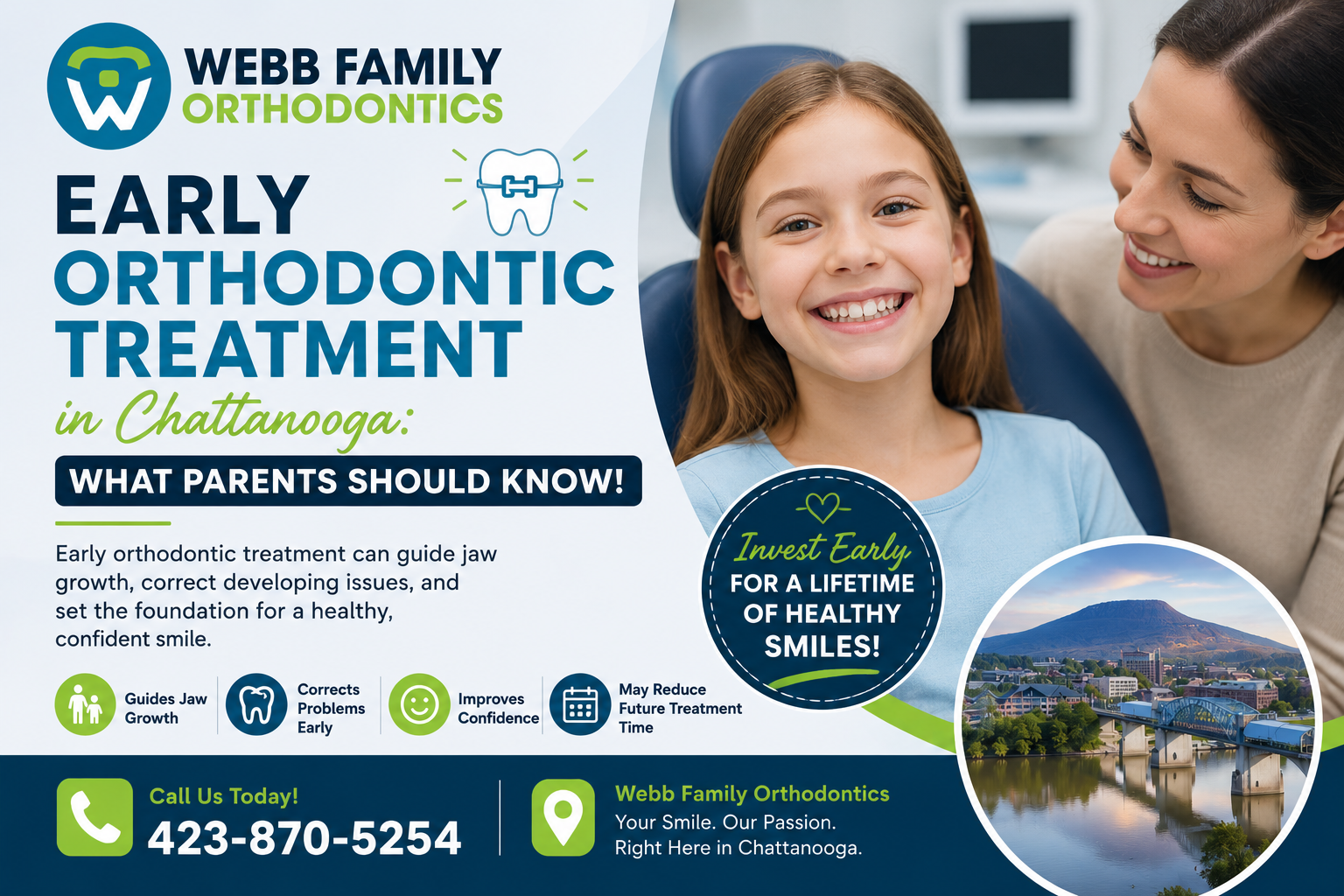
The American Association of Orthodontists (AAO) suggests every child have their first orthodontic evaluation by age seven and for very good reasons. At seven, your child’s jaw is still developing, making it the best window to detect and address issues before they worsen.
If you’re a parent in Chattanooga, Tennessee, understanding early orthodontic intervention could help prevent your child from needing longer, more costly treatment down the road. Children’s orthodontics isn’t just about straight teeth; it’s about guiding jaw development, correcting bites, and protecting long-term dental health. Here’s what every Chattanooga parent should know.
Why Age Seven Is the Right Time for a First Check
Although seven might seem early for an orthodontic consultation, it makes perfect sense. By this age, children usually have a mix of baby and permanent teeth, enough for a skilled orthodontist to assess how adult teeth are developing and whether the jaw is on the right track. The AAO and the American Academy of Pediatric Dentistry (AAPD) both support this age threshold because it provides the best chance for effective, low-effort intervention.
Crucially, early visits don’t mean early braces. Some children who come in at seven simply get monitored over time. The real advantage is identifying the few instances in which early orthodontic treatment would actually have an impact and doing it while the jaw is still responsive. Your child’s orthodontist in Chattanooga may track development over time and step in only if truly necessary.
What Is Phase 1 Orthodontic Treatment?
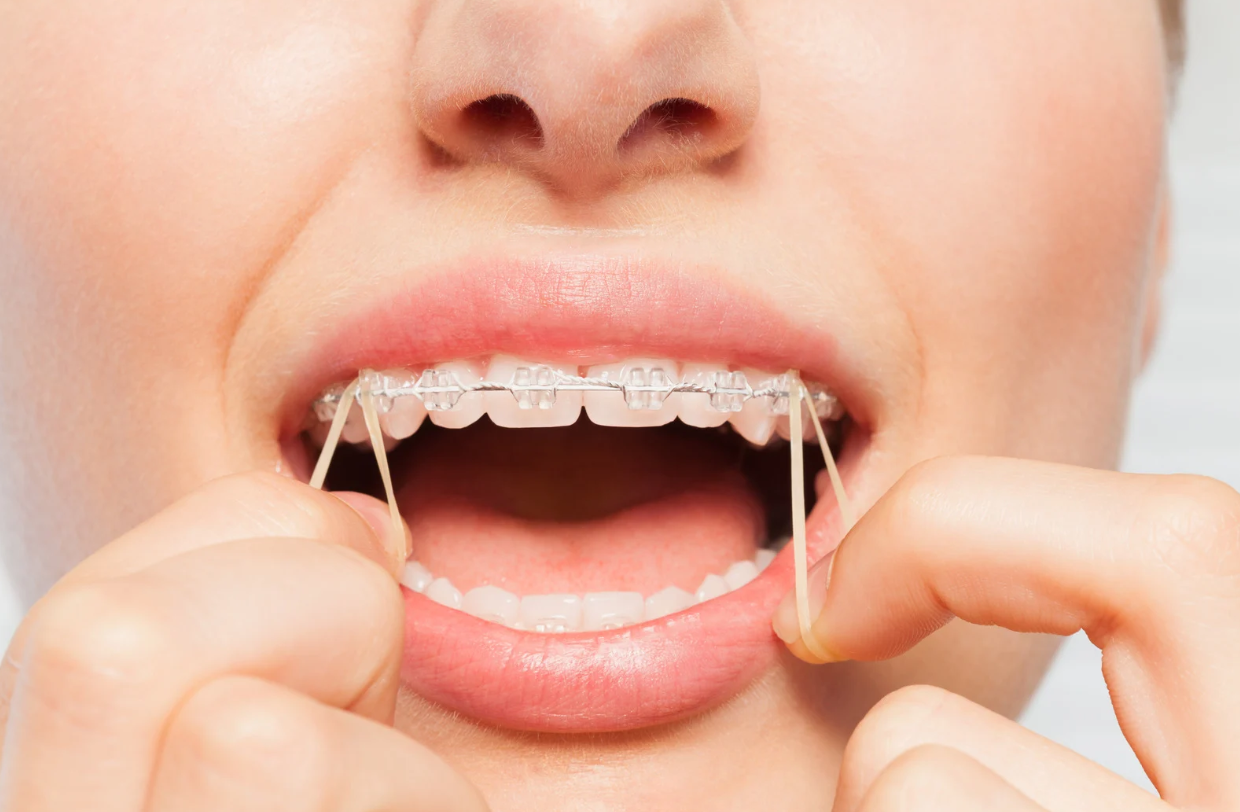
When action is required before the teen years, it’s usually referred to as Phase 1 orthodontic treatment. It is also called interceptive orthodontics. This usually pertains to kids between the ages of 7 and 10 and focuses on guiding jaw development, correcting severe biting problems, and making room for future permanent teeth.
Treatment at this stage frequently involves expanders or partial braces for children instead of full braces. The aim of two-phase orthodontic treatment is to simplify and shorten the full-treatment phase in the teen years. And in many cases, avoid tooth extractions entirely.
Signs Your Child May Need an Early Evaluation
It’s not necessary to be a pediatric orthodontist to recognize early warning symptoms at home. Typical signs that your Chattanooga child may benefit from an orthodontic evaluation include:
- Early or late loss of baby teeth,
- crowded or overlapping teeth,
- a jaw that visibly shifts to one side,
- difficulty in comfortably chewing,
- And persistent habits such as thumb-sucking past age five or chronic mouth breathing.
- Mouth breathing can eventually cause the palate to contract and have an impact on jaw development that extends far beyond teeth alignment.
If these problems are detected, even more treatment options become available.
The Real Benefits of Starting Early
Guides Jaw Growth While It’s Still Possible
The jawbone is most responsive to gentle correction during childhood. A pediatric orthodontist can use appliances to widen the palate or redirect growth at a stage when adult intervention would require surgery. This is one of the most compelling reasons for childhood orthodontic treatment in Chattanooga — acting during the window when the body does the heavy lifting naturally.
Prevents Tooth Extractions and Reduces Future Treatment Time
Creating space for permanent teeth now means they’re far less likely to erupt severely crowded. Many children who complete Phase 1 orthodontic treatment avoid tooth extractions and wear braces for a shorter period in their teens. According to orthodontic research, early orthodontic intervention can greatly reduce, and sometimes eliminate, the complexity of Phase 2 treatment.
Lowers the Risk of Dental Injuries
Front teeth that protrude are much more likely to chip or break during play and sports. The AAO notes that interceptive orthodontics fixing a complicated protrusion may decrease the risk of dental trauma by more than 50%. For active kids in Chattanooga, that’s a truly important oral health benefit.
What About Invisalign and Clear Aligners for Kids?
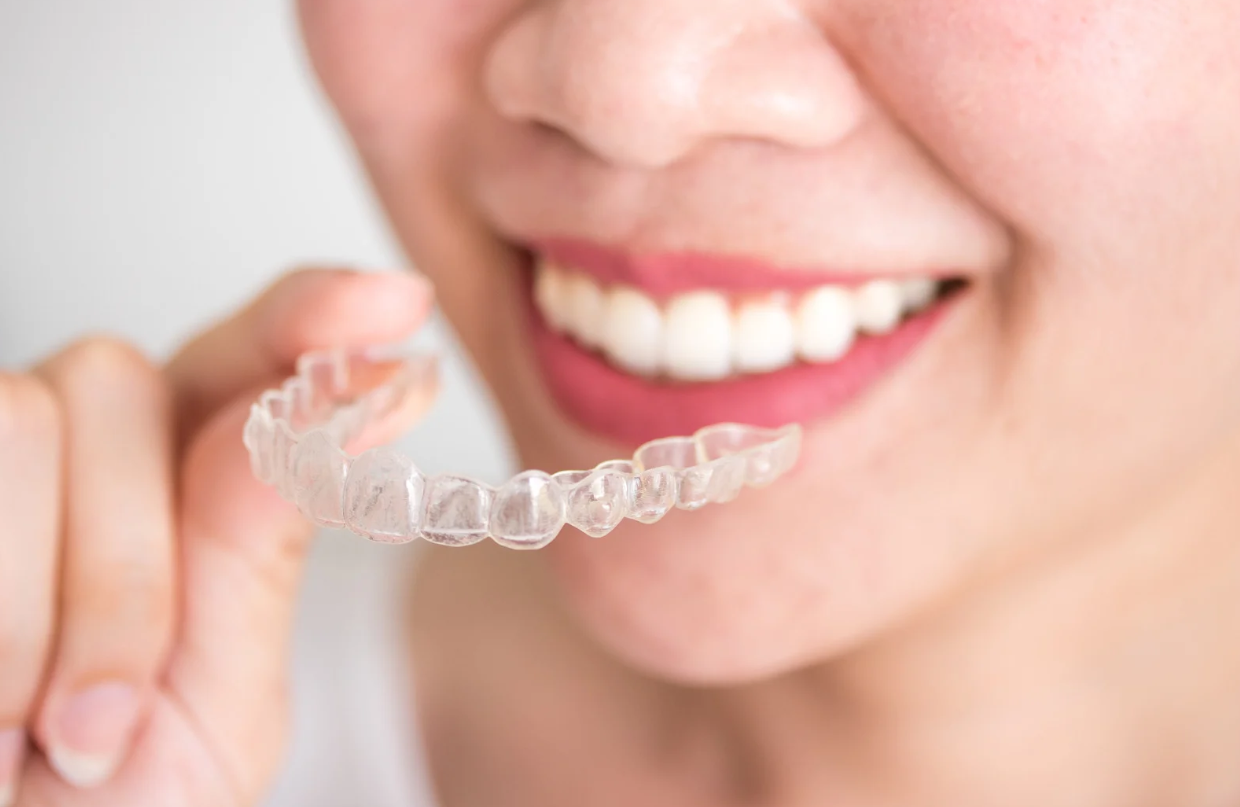
Several parents inquire whether Invisalign or clear aligners are best for younger children. Invisalign offers a product called Invisalign First, designed specifically for pediatric orthodontics. Also, it works well for certain early cases.
But for more extensive jaw development or bite corrections, a fixed appliance is typically more effective, particularly because it works continuously without relying on a child to keep it in. The best decision always depends on the individual case, which is why a proper orthodontic evaluation from a skilled orthodontist for kids is the crucial first step.
FAQ’s
At what age should my child first see an orthodontist?
The AAO suggests a first orthodontic evaluation by age 7. At this age, a child orthodontist in Chattanooga may evaluate how your child’s jaw and permanent teeth are developing and recognize any problems that would benefit from early orthodontic intervention before they become difficult to treat.
Does an early visit mean my child needs braces right away?
No, some children who come in for children’s orthodontics screenings at age seven simply require monitoring. At this point, a consultation is about getting a complete picture of your child’s dental health and tooth alignment rather than making an immediate treatment commitment.
What signs suggest my child should be evaluated early?
It’s important to watch for early or delayed baby tooth loss, crowded teeth, a laterally shifting jaw, trouble chewing, or prolonged thumb-sucking after age five. If any of these match your child in Chattanooga, you should schedule an orthodontic consultation as soon as possible.
Can young children use Invisalign or clear aligners?
Clear aligners, such as Invisalign First, are designed for younger children and suitable for certain pediatric orthodontic situations. For more complex jaw development corrections, fixed appliances are usually more effective because they work day and night continuously.
Is early orthodontic treatment covered by insurance?
Several dental insurance plans that include orthodontic benefits will cover childhood orthodontic treatment, which includes Phase 1. Coverage and caps differ by policy, so it’s important to confirm your benefits. At Westwood Orthodontics, we also provide flexible financing options for orthodontic treatment to help make care affordable to every family.
Final Thoughts
The AAO’s age-seven advice is supported by decades of research demonstrating that early evaluation produces better, more effective results. Some children won’t require early braces at seven, but recognizing problems during the critical window of jaw development gives your family real options. Interceptive orthodontics may help avoid extractions, shorten treatment time in your teen, and protect your child’s oral health in the future. For Chattanooga families, that peace of mind is well worth a single consultation.
At Webb Family Orthodontics, we are experts in orthodontic treatment for children at every stage of development, from early screening visits to full braces and clear aligners in the teen years. Our Chattanooga, Tennessee team makes every visit simple and comfortable for both kids and parents. Just schedule your child’s free consultation at Webb Family Orthodontics today and give their smile the best possible foundation.

Webb Family Orthodontics
Your Family's Smile Specialist
Braces & Invisalign for the whole family in Chattanooga, TN. Flexible payment plans — get started today!
Request Free Consult