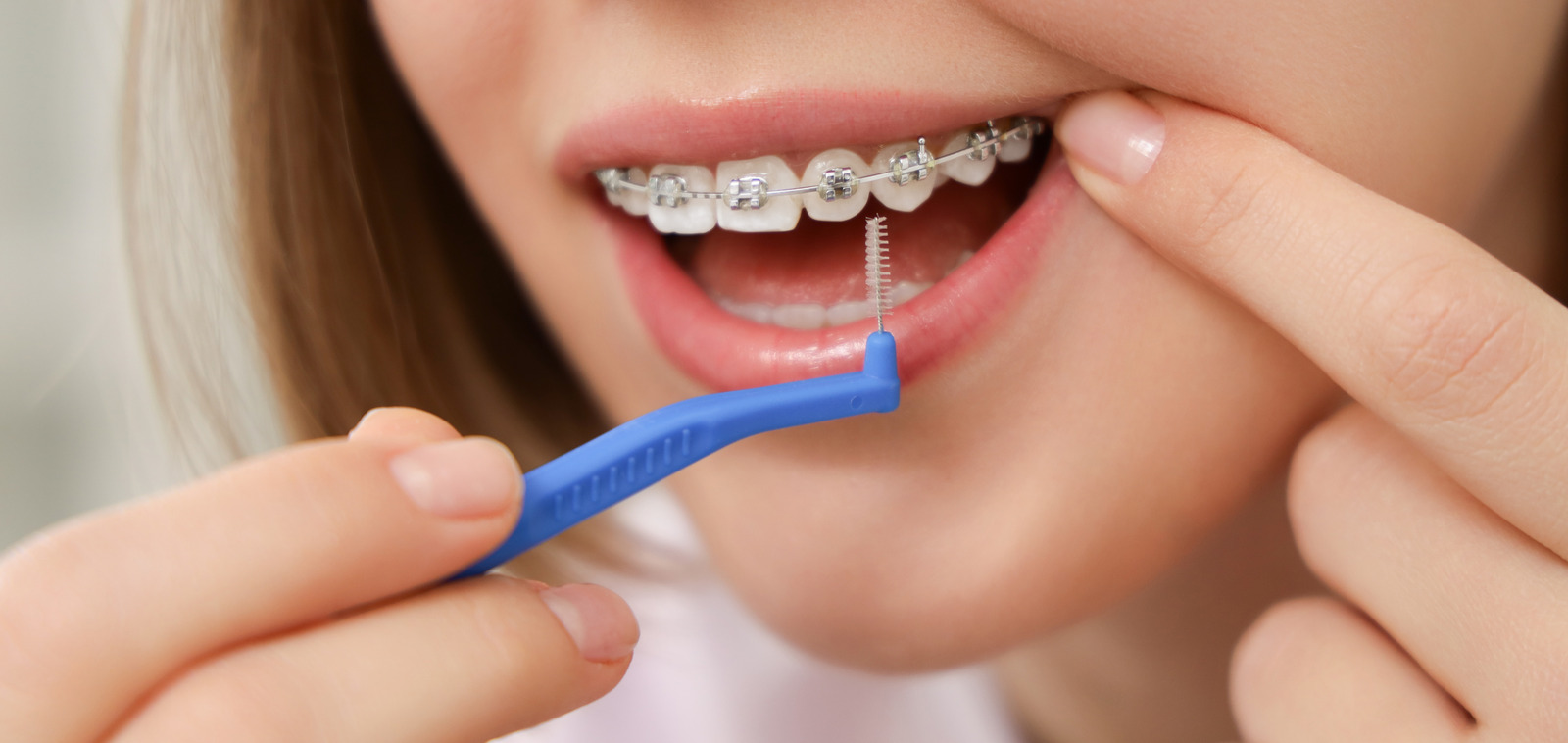
To clean your teeth with braces, brush carefully with a soft toothbrush at least twice a day. Angle the bristles around each bracket, and clean between your teeth once a day by using a floss threader, an interdental brush, or a water flosser. You need to follow this simple routine to prevent cavities, white spots, and gum problems. Braces also create many small spots where food and plaque hide, so a quick brush isn’t enough.
In this article, we will discuss why hygiene is important and how to brush and floss around brackets. We also cover which foods cause issues, which warning signs to watch for, and when to see your dentist. After the treatment, your teeth will look as good as they do with braces.
Why Is Oral Hygiene Important During Braces Treatment?
Oral hygiene is crucial during braces treatment. Brackets and wires trap food and plaque. This can lead to cavities, white spots, and gum disease. Keeping your teeth clean also helps your treatment progress smoothly.
According to the Texas A&M College of Dentistry, approximately 23.4% of 885 orthodontic patients developed at least one white spot lesion. This clearly shows that these lesions are due to poor dental hygiene and prolonged treatment. In other words, a few extra minutes per day can offer lifetime dental protection.
How Should You Brush Your Teeth With Braces?
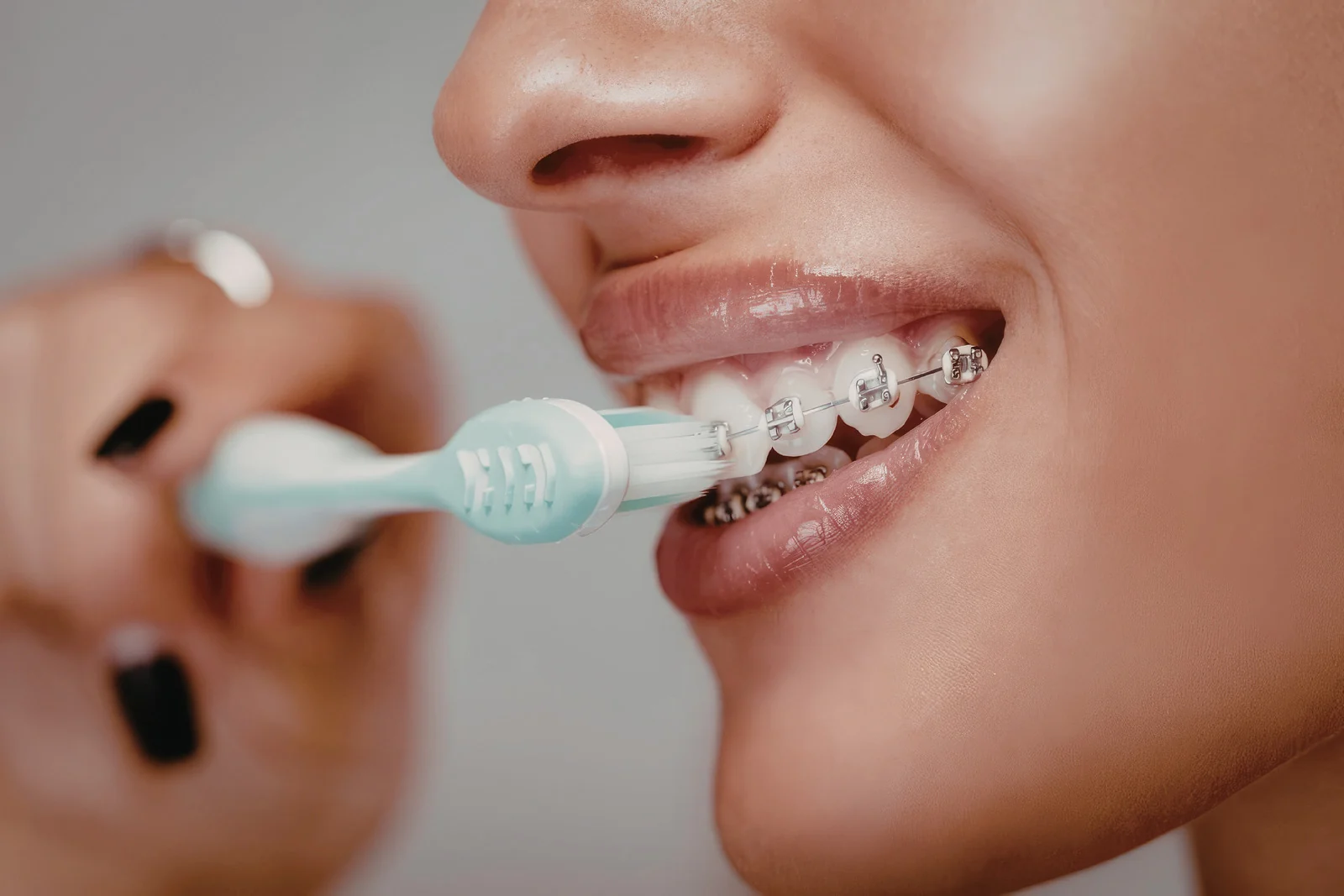
Brush your teeth with a soft toothbrush at a 45-degree angle against the gumline. Then bend it up under the bottom of each bracket and down onto the top. Use small, gentle circles for two to three minutes. Brush your teeth at least twice a day, and after meals when you can.
Choosing the Right ToothbAmerican Association of Orthodontists,rush
Use a soft-bristled manual toothbrush or an electric toothbrush. Both are effective at protecting your gums, and a small head reaches behind the last teeth. Change the brush when the bristles start to fray, because braces wear brushes out more quickly.
Brushing Around Brackets and Wires
Must take your time with each tooth. Rushing is the most common reason you miss spots. Clean the front surfaces, the chewing surfaces, and the inner sides. You should also brush your tongue. Use small circles rather than hard scrubbing. Heavy pressure can irritate your gums without cleaning them better.
How Often Should You Brush?
According to the ADA, you must brush twice a day. Brushing after meals and snacks is especially beneficial when wearing braces. If you cannot brush, swish water around your mouth to dislodge food. Keep a small travel toothbrush in your luggage; it makes things much easier. Complete with a quick rinse of fluoride mouthwash for extra enamel protection.
How Do You Floss With Braces?
Floss with braces by using a floss threader to thread waxed floss under the main wire. You can also curve it carefully around each tooth and move it up and down once a day. You can also use an interdental brush or water flosser, which can be very helpful. Avoid snapping the floss against your teeth.
According to the American Dental Association, you should clean between your teeth once a day with floss. Another study (a Cochrane review) found interdental brushes more effective than floss at reducing plaque and gum inflammation. So, we’re providing a brief overview that compares the main tools in the table below:
Tool | Best Use | Helpful Tip |
| Floss threader with waxed floss | Cleaning between teeth under the main wire | Use unflavored, waxed floss and go slowly. |
| Interdental brush | It can help to clear food around brackets and under the wire | Slide it in carefully and never force it. |
| Water flosser | Clearing loose debris from the gum line | Don’t use it in place of floss; use it as a helper. |
| Orthodontic flosser | Cleaning quickly while on the go | Keep a few in your bag or locker. |
Using a Floss Threader
Pull a length of waxed floss through the threader loop, then move the threader under the wire. Stop using the threader, gently move the floss up and down, and curve it around both sides of the tooth. You can repeat it for every tooth, using a clean section of floss each time
Using an Interdental Brush or Water Flosser
Use a tiny interdental brush to slide under the wire and between brackets to clear stuck food. A water flosser stays on the gum line and removes loose debris, but it encourages flossing instead of replacing it. Treat them both carefully, and stop if anything hurts.
Which Foods and Drinks Can Increase the Risk of Dental Problems?
Sugary foods and drinks, sticky candy, and foods that stick around brackets raise the risk of cavities, white spots, and gum problems with braces. Soda, sports drinks, caramel, and gum are common culprits. So, limit them and rinse afterwards to protect your teeth.
Sugary Foods and Drinks
First, avoid sugar because it feeds the bacteria in your plaque. Those bacteria make acid, and acid attacks the enamel around your brackets. Choose water for most drinks, and limit sweet treats. Also, you should brush or rinse your mouth as soon as possible. Additionally, avoid using whitening toothpastes or strips during treatment because they only reduce exposed enamel and may result in uneven color when the brackets are removed.
Foods That Get Stuck Around Brackets
Avoid sticky, chewy foods, including caramel, taffy, and gummy candy. They can easily attach to your brackets and can be difficult to remove. Skip them to keep cleaning simple and protect your braces from damage.
What Are the Signs of Poor Oral Hygiene During Orthodontic Treatment?
The main signs of poor oral hygiene during orthodontic treatment include chalky white spots around brackets, red, swollen, or bleeding gums, bad breath, and a fuzzy film on your teeth. If you notice these signs, plaque is building up. Catching it early lets you fix the problem before it causes lasting damage.
White Spots Around Brackets
White spots are early signs of enamel damage. As we mentioned, they’re often linked to poor hygiene and long treatment times, and prevention beats treatment. Sometimes, existing spots can be covered with fillings or special treatments. But you can prevent them easily.
Gum Swelling and Bleeding
Swollen or bleeding gums typically mean plaque is found in the gumline. Brush and floss carefully; doing so more often can help within a couple of weeks. If bleeding continues, contact your orthodontist as soon as possible.
When Should You Visit Your Dentist During Braces Treatment?
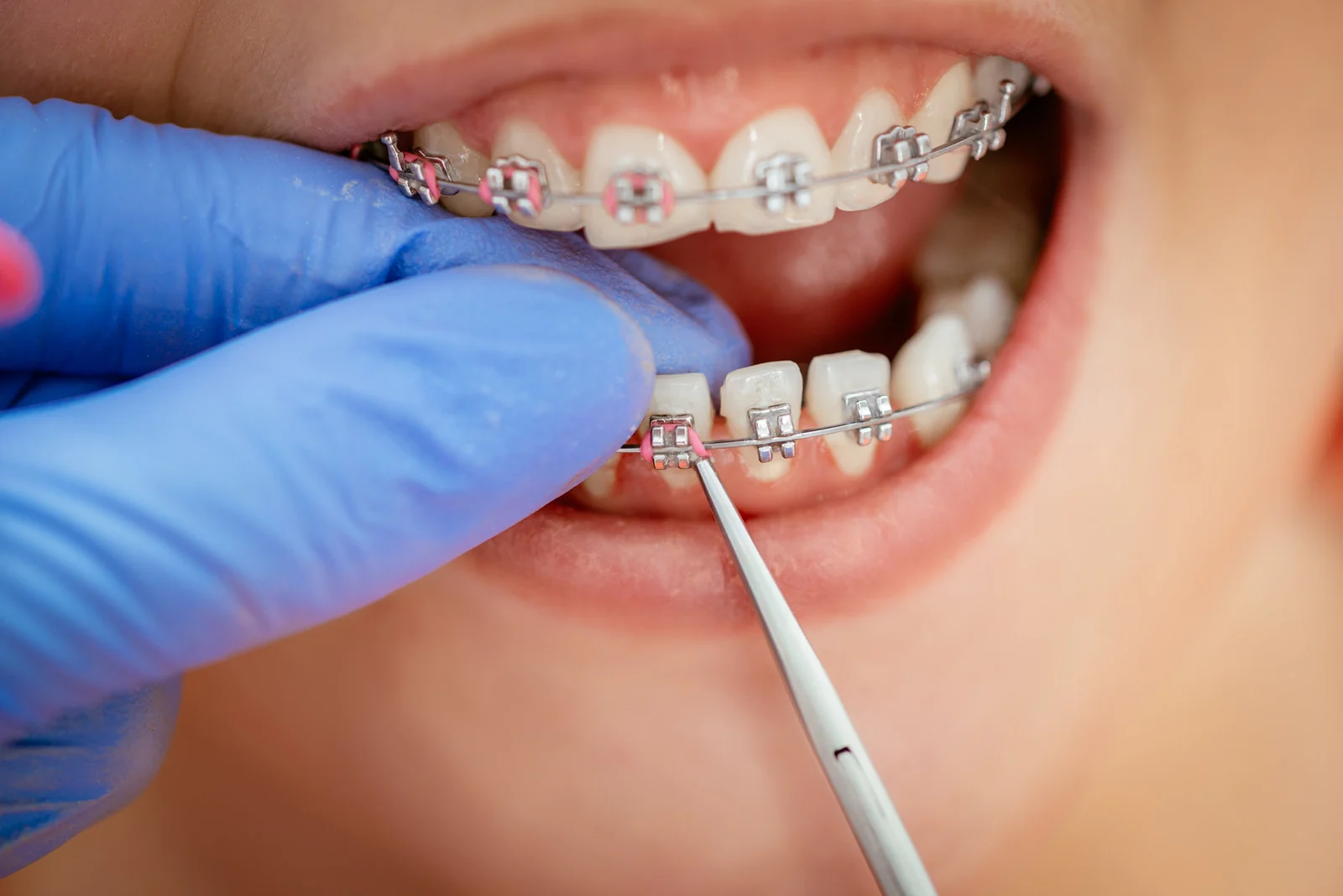
Visit your dentist for regular cleanings and checkups during braces treatment. The best time for checkups is typically every six months or as advised. Contact your orthodontist as soon as possible when you feel pain, bleeding gums, or white spots. Your orthodontist handles the braces, and your dentist maintains your teeth’s health. Both visits are important.
Professional cleanings reach areas that brushing misses. They also remove hardened plaque that is hard to remove with a toothbrush. At Webb Family Orthodontics, we check your hygiene at adjustment visits and provide you with advice on how to get better. Just book your appointment with us now if you want a personal cleaning plan for you or your loved ones.
Frequently Asked Questions
Can you use an electric toothbrush with braces?
Yes, you can use an electric toothbrush with braces. Choose soft bristles, a small head, and gentle pressure around the brackets.
How do you remove food stuck in braces?
Rinse your teeth with water, then use an interdental brush or floss threader to remove food. After that, brush them carefully and avoid using sharp objects.
Can braces cause white spots on teeth?
Braces can cause white spots when plaque builds up around the brackets. With careful brushing and flossing, you can greatly reduce that risk.
Should you use mouthwash while wearing braces?
Use fluoride or antimicrobial mouthwash, especially after brushing. Swish for about 30 seconds to strengthen enamel and reduce bacteria. Ask your orthodontist which rinse is best for you.
Final Thoughts
Cleaning with braces means brushing your teeth carefully twice a day around every bracket. If you clean your teeth daily, avoid sugary and sticky foods, and watch for white spots and bleeding gums. You also need to keep up with your dental cleanings. Good habits protect your teeth now and after the braces are removed.
At Webb Family Orthodontics, we always help you to maintain your teeth’s health throughout treatment with friendly, practical guidance. Book your appointment with us today to learn more about how to clean your teeth with braces.

Webb Family Orthodontics

Your Family's Smile Specialist
Braces & Invisalign for the whole family in Chattanooga, TN. Flexible payment plans — get started today!
Request Free Consult