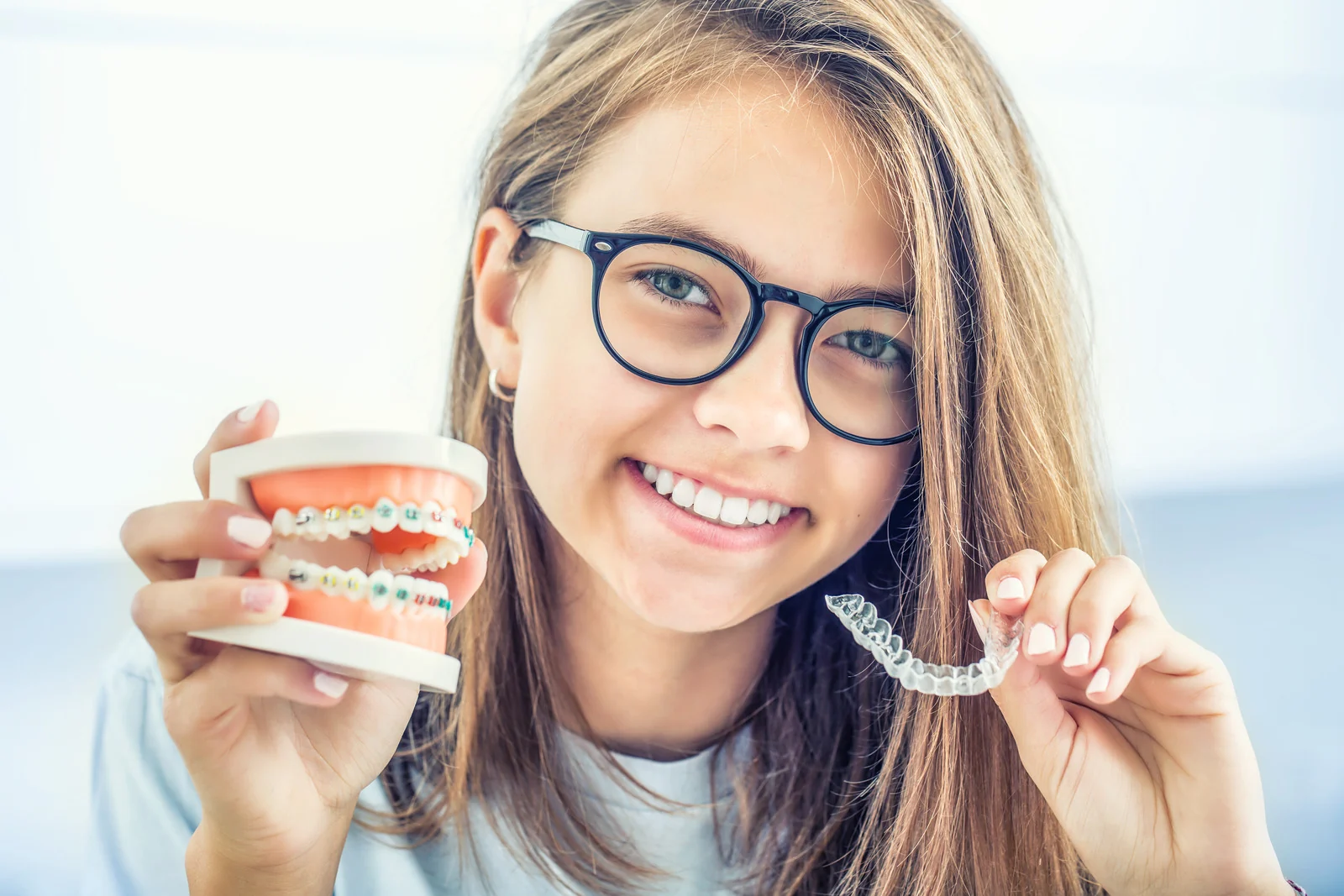
The decision to choose Invisalign or traditional braces in Chattanooga is yours. Your dentist can help you choose the best treatment for your dental needs. Generally, Invisalign fixes mild to moderate issues and suits people who want a discreet look, while braces are for severe or complex problems and people who prefer a fixed appliance.
Both treatments straighten teeth, but they differ in how they feel day to day and which one suits an individual best. In this guide, we compare each to explain how they work, the pros and cons, effectiveness, who they are recommended for (teens or adults), and how to decide which is right for you or your child.
What Is the Difference Between Invisalign and Traditional Braces?
The main difference is that Invisalign uses clear, removable plastic trays, while traditional braces consist of metal or ceramic brackets that attach to your teeth and are joined by a wire. Trays are removed to eat and clean, and braces are worn 24 hours a day until treatment is completed. That one difference will impact looks, eating, cleaning and responsibility on you.
How Invisalign Aligners Work
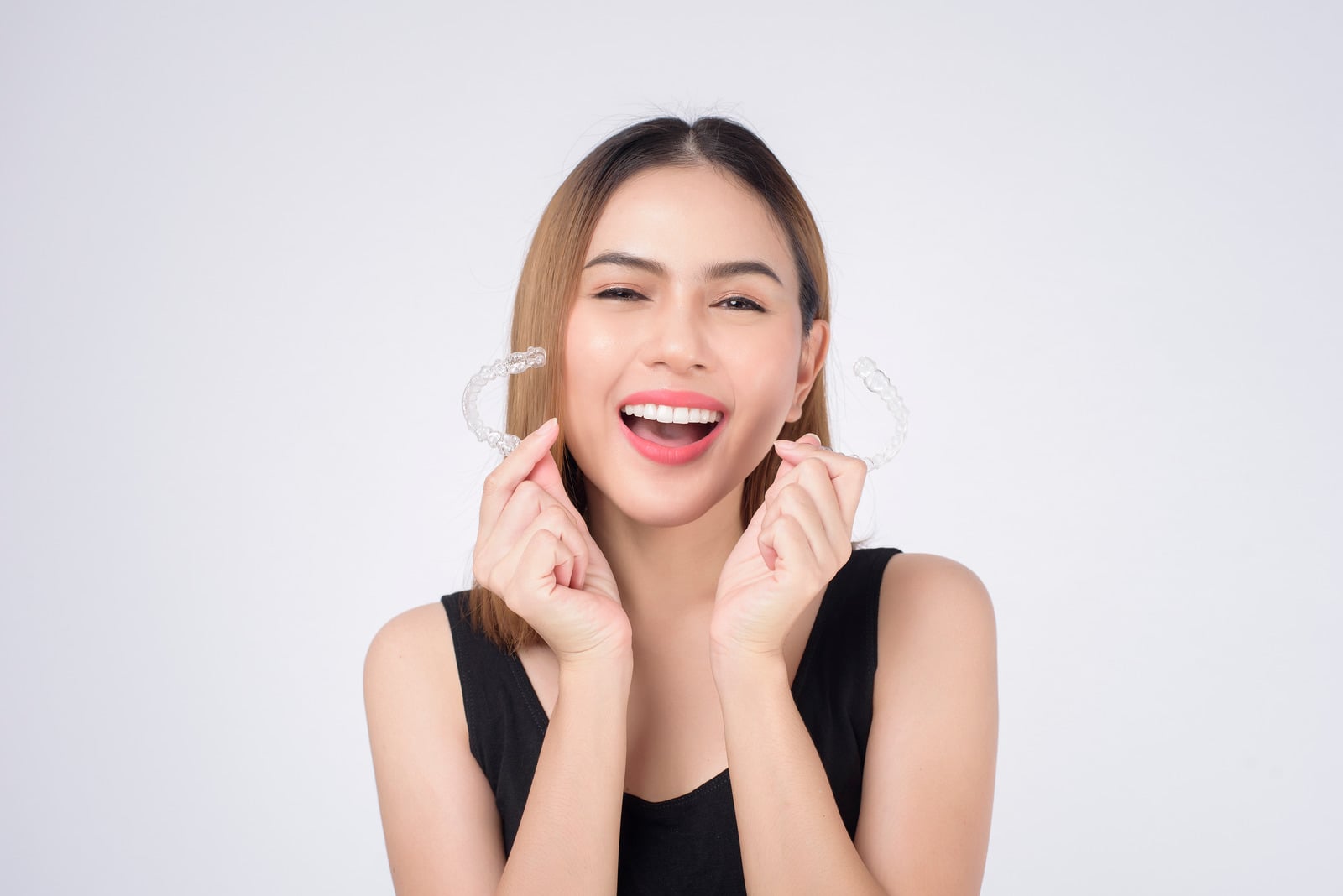
Invisalign works by a series of custom-made clear trays which move your teeth gently over time. You change trays every 1-2 weeks and wear each tray 20-22 hours a day. You can remove it only to eat, drink, brush, and floss.
How Traditional Braces Move Teeth
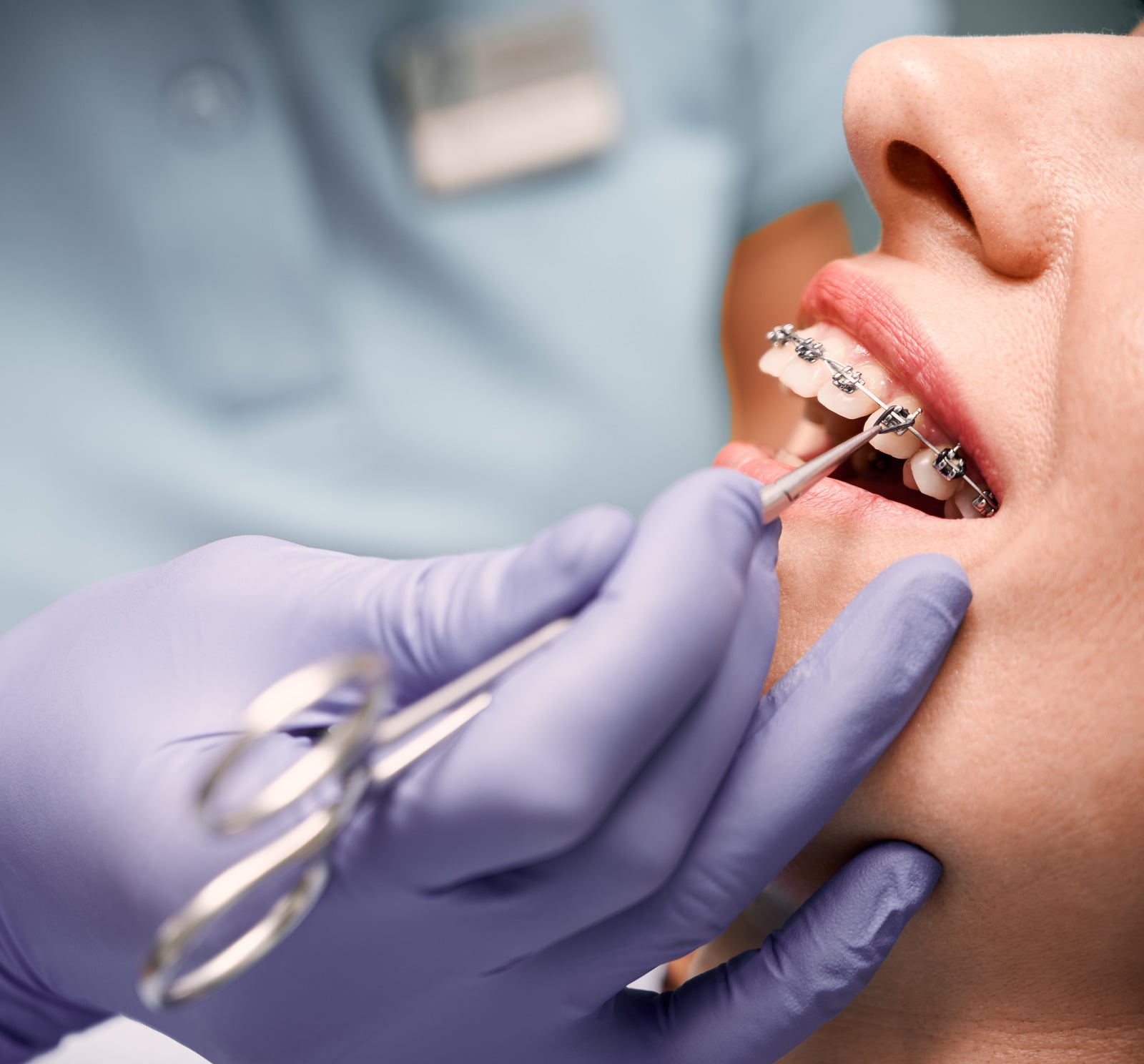
With traditional braces, metal or tooth-colored ceramic brackets are bonded to the teeth and tied together by a wire. Your orthodontist tightens the wire every 4-8 weeks, and your teeth slowly move into their correct positions. There may also be some mild soreness after each adjustment for some patients for a few days, but this fades rapidly.
What Are the Pros and Cons of Invisalign and Braces?
Invisalign offers a discreet look, no food rules, and easy cleaning. You must wear it daily, and it’s only suitable for mild to moderate cases. Braces can solve almost all problems and don’t require strict dietary restrictions, but they can cause issues that require extra cleaning.
Benefits of Invisalign
Invisalign is almost invisible, comfortable and flexible. Invisalign has no metal brackets or wires to bother your mouth, no food restrictions, and lets you remove the trays to eat, brush, and floss as normal, says Invisalign.
Benefits of Traditional Braces
With braces on all day, there is no risk of forgetting to leave the trays at home. They also treat a variety of issues such as extreme misalignment and complex rotations. This is a huge benefit for patients who want something ready to go, and a great benefit for busy teens.
Limitations of Each Treatment
Invisalign works only if you use it, and trays can be misplaced. Braces are visible, may cause cheek and lip irritation and should be cleaned carefully around the hardware. Both choices have pros and cons, and the perfect match depends on each person. Discussing these trade-offs with your orthodontist can make the decision much easier.
Is Invisalign as Effective as Braces?
While Invisalign is an effective treatment for many mild to moderate cases, braces are more reliable for serious cases. Not much research has been done on aligners, and your orthodontist’s opinion matters more than the aligner brand. A scan and exam will tell which tool fits your bite.
Treating Crowded Teeth and Gaps
Sometimes Invisalign works well for mild to moderate crowding and gaps. In serious cases, where there is a large gap, severely rotated teeth or crowding, the more controlled movement that braces offer may be necessary.
Correcting Overbites and Other Bite Problems
Invisalign is generally a good option for simple bite problems, but larger overbites, underbites, and crossbites usually require braces and other appliances. A bite exam is the safest way to decide, and your orthodontist will explain why one will fit your bite better than the other.
Which Treatment Is Better for Teens and Adults in Chattanooga?
Some adults choose Invisalign for a more discreet look, while some teens may lose or forget their trays, making braces a better option. Both can work for both groups. The best choice depends on your lifestyle and daily routine.
Lifestyle and Appearance
Discreet aligners may be more comfortable if you talk to clients or go to a lot of events. Active teens who play sports or who forget a lot can opt for braces – nothing can be left at home. Ceramic braces are less noticeable but slightly more brittle than metal braces.
Cleaning and Daily Care
Invisalign is easy to clean because the trays are removable, so you can brush and floss as usual and clean the trays daily. Special flossers or interdental brushes are required for braces, and you can get cavities and stains around brackets if you do not floss them. In either case, good habits protect your teeth, so brush after eating and floss consistently every day.
How Can You Choose the Right Orthodontic Treatment in Chattanooga?
Find the best treatment possible by having an orthodontic exam, choosing the treatment that matches your bite, and being honest about your habits, schedule, and goals. Invisalign is for moderate to mild cases and patients who can be disciplined about wearing the appliance, while braces are for complex cases and patients who want a fixed case. Your treatment time can also give you a good idea. Invisalign treatment takes around 12 to 18 months, and braces last between 12 and 36 months, depending on your needs.
FAQs
Is Invisalign better than braces?
Invisalign is a priority for some patients, especially those with mild to moderate issues who want a discreet option. Braces are best for more complicated cases.
Can Invisalign fix an overbite?
Invisalign deals with some mild overbites. If overbites are severe, braces or other appliances are used, so an exam is the best way to know.
Are braces faster than Invisalign?
Braces do not work faster. Invisalign treatment typically takes 6-18 months, while braces take 18-24 months, though this can vary depending on case complexity.
Which treatment is easier to maintain?
Invisalign is easier to brush around because you remove the trays. Braces need more maintenance but don’t need to be worn every day.
Final Thoughts
Invisalign suits mild to moderate cases and a discreet look, while braces are used for severe or complex cases and provide a fixed convenience. Because evidence for aligners is limited, a proper exam is important. Invisalign typically takes 6 to 18 months, while braces take 18 to 24 months. This depends on your bite, age and habits.
Webb Family Orthodontics helps teens and adults in Chattanooga choose the best Invisalign or braces option for their needs. Schedule a consultation with Webb Family Orthodontics today.

Webb Family Orthodontics
Dr. Brian Webb and his team are passionate about putting smiles on your family's faces. We offer braces and Invisalign in a fun and welcoming environment with flexible payment plans for every budget. Schedule your free consultation today!
Request Your Free Consult

Your Family's Smile Specialist
Braces & Invisalign for the whole family in Chattanooga, TN. Flexible payment plans — get started today!
Request Free Consult