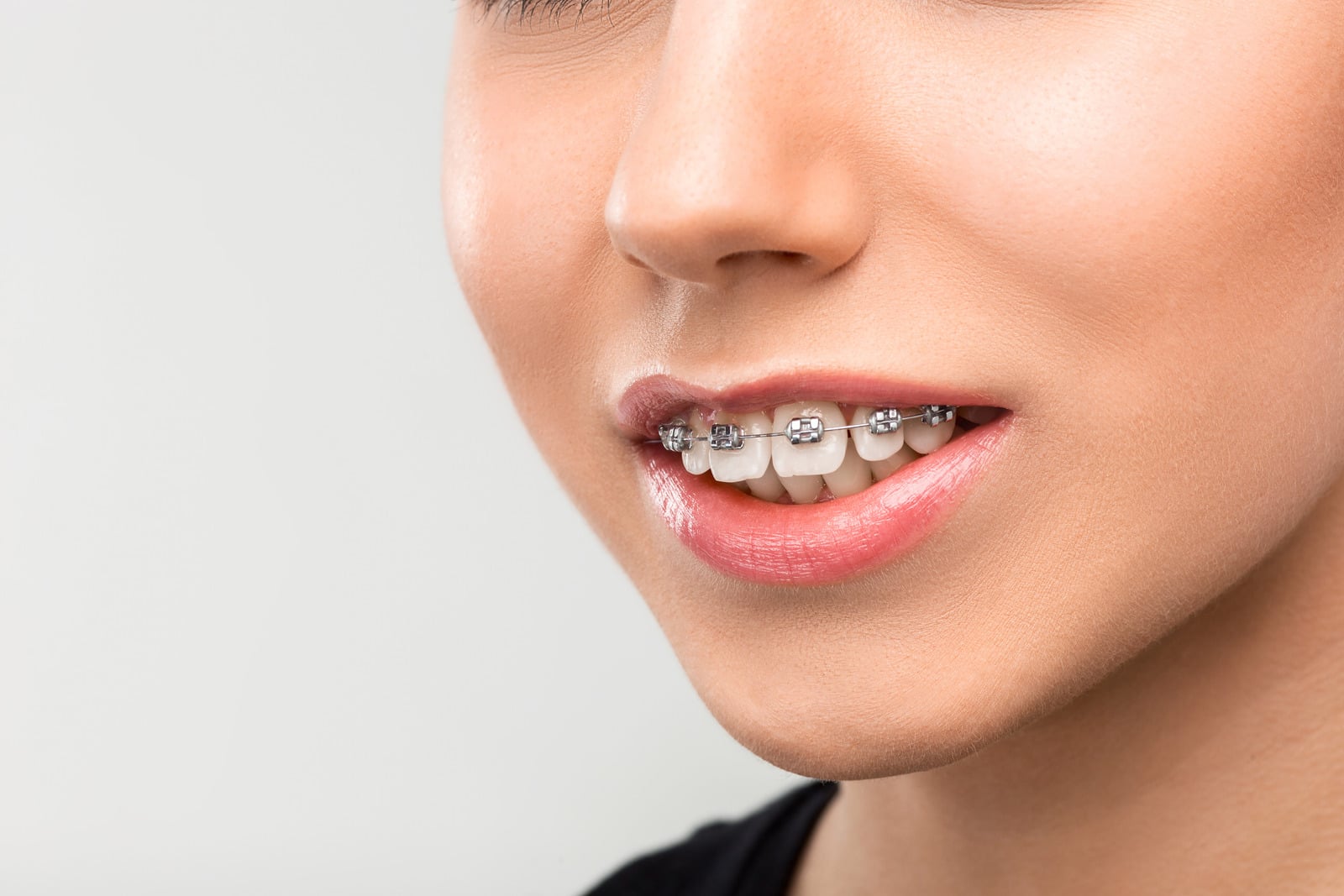
An overbite occurs when your upper front teeth cross your lower front teeth. However, an underbite happens when your lower front teeth are positioned in front of your upper teeth. Orthodontists treat both with braces, clear aligners, growth appliances, or sometimes jaw surgery. It depends on the cause. Many people aren’t sure which one they have or whether they need treatment.
In this article, we will discuss what each bite looks like, how they differ, and how orthodontists correct them. We also go over when to schedule a visit so you can make an informed decision about what to do next.
What Is an Overbite?
An overbite occurs when the upper front teeth extend too far over the lower front teeth. A small overlap of about 1 to 2 millimeters is normal. However, a deep overlap can cause wear and discomfort.
Common Signs of an Overbite
One of the most common signs of an overbite (as we mentioned above) is that your top teeth cover much of your lower teeth. Your lower teeth may be difficult to see when you smile. If you have this condition, you can consult a dentist or orthodontist. Other common signs of overbite include sore jaws, worn lower teeth, or irritated gums behind the upper teeth.
How an Overbite Can Affect Your Bite
A deep overbite can make the lower teeth bite into the gums behind the upper teeth. Over time, it can wear down enamel. It can also strain the jaw muscles, which can cause headaches or jaw discomfort for some people. Your orthodontist can fix most overbites, particularly when they detect them early. Treating the bite makes your teeth easier to clean. Also, it protects them from uneven wear for years to come.
What Is an Underbite?
An underbite is also known as a bite problem. It occurs when the lower front teeth and jaw are positioned in front of the upper front teeth, creating a reversed bite. The lower jaw or chin may appear more prominent. Worldwide, 5–10% of people have an underbite.
According to the American Association of Orthodontists, underbites can be dental, skeletal, or a combination of both. In short, they are common and affect many families. Early detection allows your orthodontist to help you in many ways.
Common Signs of an Underbite
The most common sign is lower teeth that close in front of the upper teeth. Additionally, the chin or lower jaw could appear more forward. Other symptoms include trouble biting or chewing, difficulty closing the mouth fully, a lisp, uneven tooth wear, and jaw pain, especially near the joints.
Dental and Jaw-Related Causes
Some underbites are caused by tooth position alone. However, others come from jaw size and growth. In this condition, the upper jaw may grow too slowly, or the lower jaw may grow faster than expected. Genetics plays an important role. Jaw shape and bite patterns run in families. It is also caused by childhood habits, which include thumb sucking, long pacifier use, tongue thrusting, and mouth breathing, which can also contribute.
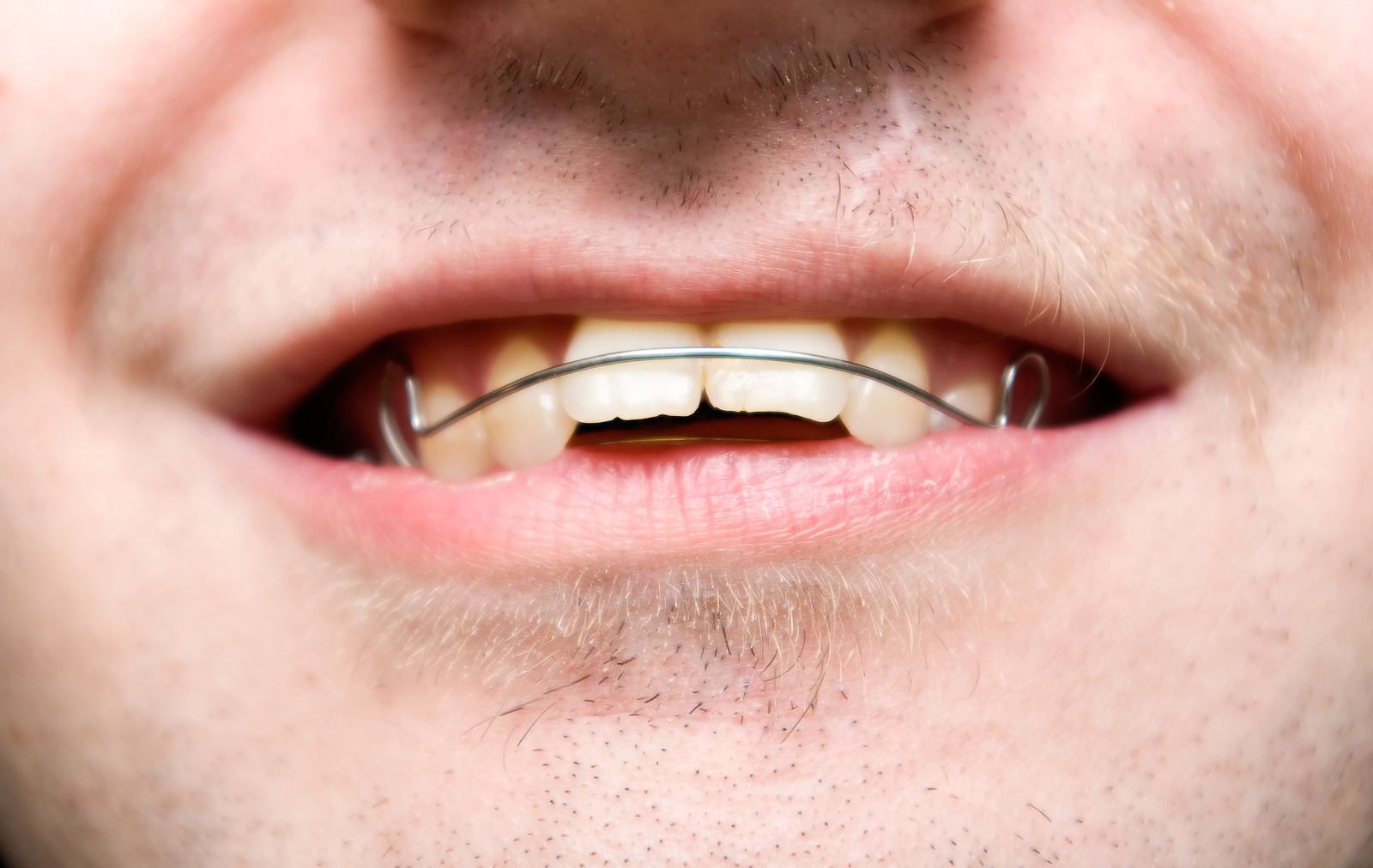
What Is the Difference Between an Overbite and an Underbite?
The biggest difference is direction. They are both types of malocclusion, but they appear and feel different. Beyond direction, the two issues frequently have different causes. That is why an accurate diagnosis matters before starting treatment. They both can follow different treatment paths. An overbite may be mostly about tooth position, but an underbite more frequently involves the jaw. In the given table, we discuss some key points.
Feature | Overbite | Underbite |
| Upper vs. lower teeth | It happens when upper front teeth cover too much of the lower teeth. | It happens when lower front teeth are positioned in front of the upper teeth. |
| Appearance | The upper teeth can hide the lower teeth | The lower jaw or chin looks more forward. |
| Common causes | It can be caused by tooth position, jaw size, genetics, and habits | It is mainly caused by jaw growth, genetics, and habits like thumb sucking |
| Possible effects | Worn enamel, gum irritation, jaw strain | You can face difficulty in Chewing, lisp, jaw pain and uneven wear |
| Typical treatment | Children’s growth appliances such as braces or aligners | Children’s braces, expanders, and surgery if necessary |
How Do Orthodontists Treat Overbites and Underbites?
Orthodontists treat overbites and underbites with braces, clear aligners, growth-guiding appliances, or jaw surgery. Treatment also depends on whether teeth or bone causes the problem. After a checkup and X-rays, they suggest options that suit your age and bite.
Treatment With Traditional Braces
Metal or ceramic braces use constant pressure to shift your teeth into better alignment. This corrects most overbites and underbites. According to the AAO, braces are used when the underbite mainly comes from tooth position, and they may be combined with elastics to guide the jaw. For many patients, braces are the best option. Treatment typically continues with a retainer afterwards to maintain your teeth in their new positions.
When Clear Aligners May Be an Option
Clear aligners can be effective for mild to moderate bite problems that mainly involve tooth position. Aligners are only one option for correcting overbites and for addressing mild underbites that are largely dental. Your orthodontist can determine if aligners are best for your bite. Deeper overbites and skeletal underbites frequently require more than aligners alone. Wearing them as directed is also key to getting results.
When Jaw Growth or Surgery May Need Evaluation
In growing children, a palatal expander combined with reverse-pull headgear can help the upper jaw grow forward. For major skeletal differences, jaw surgery may be required once growth is finished, and it is almost always combined with braces before and after. If you think this relates to you or your child, an evaluation is the first step.
When Should a Child or Adult See an Orthodontist in Chattanooga?
A child should see an orthodontist by age 7. Adults can book a visit anytime they notice a bite problem, jaw pain, or worn teeth. Early checks offer many options, and adults can fix issues at any age. The children Early care can decrease the need for more complex treatment later and also provide more possibilities because their jaws are still developing.
Frequently Asked Questions
Can braces correct an overbite?
Yes, braces can correct most overbites by shifting your teeth into better alignment. Some cases also require elastics or growth appliances.
Can Invisalign treat an underbite?
Yes, it can treat mild underbites that are mostly about tooth position. More complicated underbites that involve the jaw often require braces or other treatment.
Are overbites and underbites genetic?
Genetics often plays an important role. Jaw size and bite patterns run in families. These habits, which include thumb sucking or prolonged pacifier use, can add to the problem.
At what age should bite problems be evaluated?
According to the AAO, a first evaluation is recommended by age 7. If you feel bite problems, you can contact an orthodontist at any time.
Final Thoughts
An overbite means the upper teeth overlap the lower teeth too much. An underbite means the lower teeth are positioned in front of the upper teeth. Your orthodontists can fix both with braces, aligners, growth appliances, or surgery, depending on the cause. An early evaluation gives you the most options, and you can achieve excellent outcomes. At Webb Family Orthodontics, we help Chattanooga families understand their bite and select the right treatment. Just book your appointment with us now.

Webb Family Orthodontics

Your Family's Smile Specialist
Braces & Invisalign for the whole family in Chattanooga, TN. Flexible payment plans — get started today!
Request Free Consult