
When your braces are removed, your orthodontist removes the brackets and wires. They also remove the remaining glue and fit you for a custom retainer. The retainer helps you to keep your teeth in their new positions while the bone around them settles.
But many patients think treatment ends on removal day. However, the retainer phase protects all your hard work, which often takes two to three years. In this article, we will discuss what happens at your removal appointment and why retainers are important. We can also cover the main types, how to clean and care for yours, and what to do if it breaks or comes loose. So your straight smile stays that way for years. Stay tuned to learn what to do from removal day onward.
What Happens During a Braces Removal Appointment?
During a braces removal appointment, your orthodontist cleans and checks your teeth and takes a scan or impression for your retainer. Usually, the visit is painless and comfortable. You go with a plan for wearing your retainer, and your orthodontist answers any queries about care.
Removing Brackets and Wires
First, your orthodontist removes the wire and carefully releases each bracket. Some patients feel pressure but little pain, and the process is frequently faster than they expect. When the hardware is removed, a professional team polishes away the remaining cement so your teeth feel smooth.
Cleaning and Checking Your Teeth
After that, they clean and check your teeth for gum disease, cavities, and white spots. Your teeth may feel unusually smooth at first, and you may feel a little pain for a few days. That pain is normal, and it typically goes away after a few days. You need to eat soft foods and clean them carefully with a brush while your gums settle.
Why Do You Need a Retainer After Braces?
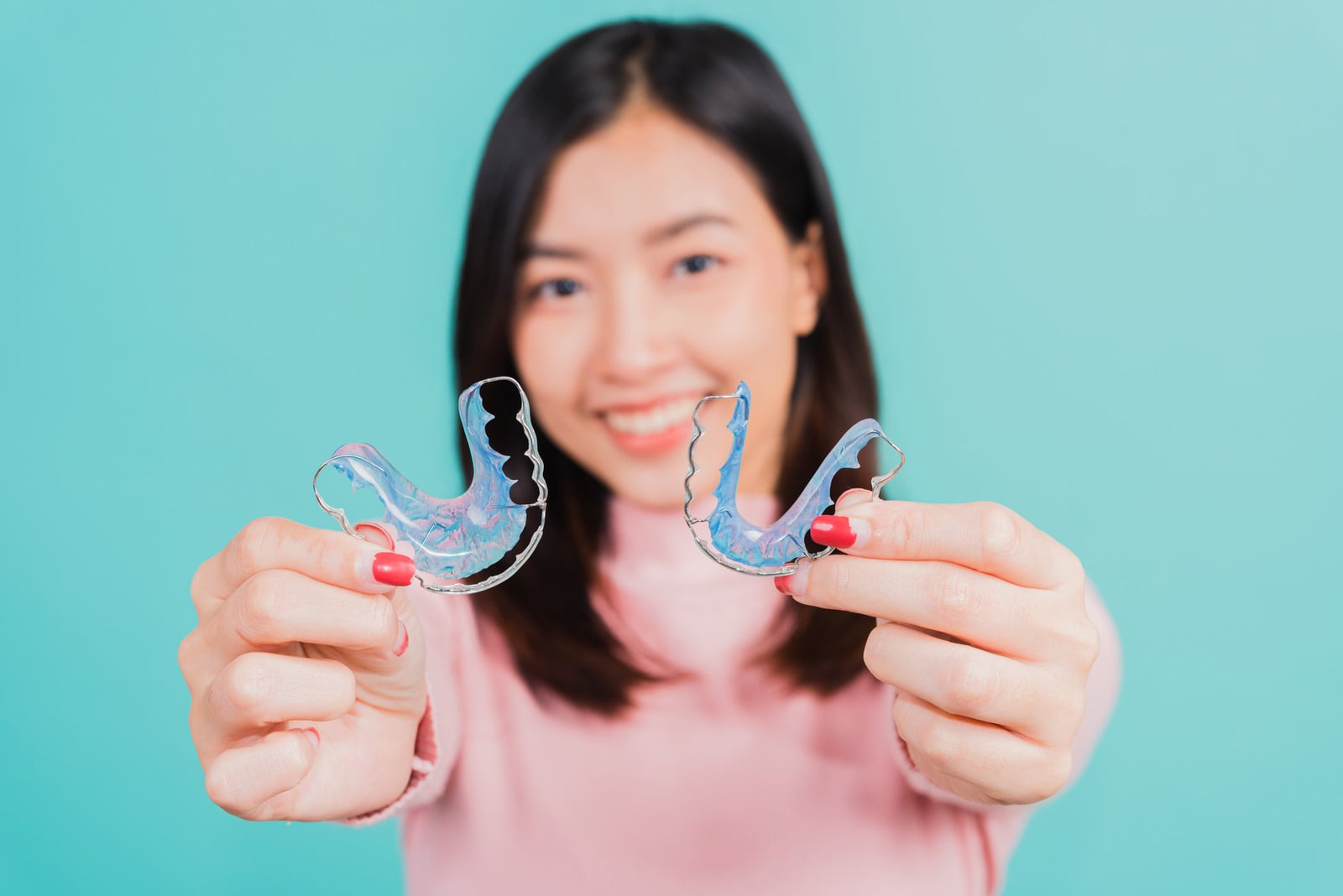
Wearing your retainers after braces is important. Your teeth usually drift back toward their previous positions. The bone and ligaments surrounding them remain pliable and soft, so unsupported teeth can move. It can happen sometimes within weeks. They remain stable until the surrounding tissues settle with a retainer.
How Retainers Help Prevent Teeth From Shifting
According to the American Association of Orthodontists, the same bone flexibility that lets your teeth move during treatment also lets them move back afterwards. So, retainers keep your teeth in place as surrounding bone adapts. Skipping them increases the risk of relapse, which may require more treatment.
How Long Should You Wear a Retainer?
Colgate says you typically wear a removable retainer full time for about four months to a year. You can remove it only to eat and clean. After that, your orthodontist may suggest switching to nighttime wear for a few months, a few years, or indefinitely. Because your teeth naturally move over time, ideally forever at night
What Are the Different Types of Orthodontic Retainers?
There are three main types of removable retainers. They include clear plastic, Hawley styles, and fixed (bonded) retainers attached behind your teeth. You can remove them to eat and clean. However, fixed ones work constantly. Your orthodontist will suggest the type that best fits your teeth and habits.
Type | What It Is | Advantages | Drawbacks |
| Clear plastic | Clear, moulded tray that covers the entire arch | It is less noticeable and comfortable | It can warp in hot water or a warm car |
| Hawley | Acrylic base with a metal wire over the front teeth | It is durable and flexible | It has noticeable wires. |
| Fixed (bonded) | A thin piece of metal wire is attached behind the front teeth. | It can keep your teeth 24/7 without effort | It requires extra cleaning and can easily break |
Removable Retainers
Clear plastic retainers are designed to fit tightly on your teeth and are less noticeable. Hawley retainers are made with an acrylic base on the roof of your mouth with a wire across the front teeth. You can remove them to eat and clean your mouth and retainers. They’re also easier to care for.
Fixed or Bonded Retainers
A fixed retainer is a thin wire glued to the back of your front teeth, usually on the lower arch. It works around the clock without any effort on your part. Even so, the AAO notes it can still break or come loose, and you need to clean carefully around it. Because plaque collects around the wire, regular dental cleanings matter even more with this type.

How Do You Clean and Care for Your Retainer?
You should clean your removable retainer daily in cool water. Store it in its case when you’re not using it, and keep it away from heat. Fixed retainers require careful brushing and flossing around the wire. If you follow these habits daily, your retainer will last longer and fit well.
Daily Retainer Cleaning
Orthodontists suggest cleaning your retainer each time you remove it. You can use a dedicated toothbrush and mild soap, and soak it weekly for about 15 to 20 minutes in a retainer cleaning solution. Also, avoid boiling a retainer, because heat can warp the plastic. You can use an interproximal brush because it helps remove plaque around the wire.
Foods and Habits to Avoid
Avoid wrapping your retainer in a napkin, because it frequently gets thrown away by accident. Keep it away from hot cars and pets; drink only plain water with retainers. Other drinks can get stuck against your teeth and cause decay. If you have a fixed retainer, avoid hard or sticky foods that can wrap around or loosen the wire.
Frequently Asked Questions
Do you need a retainer forever after braces?
Yes, especially at night. Because your teeth may drift back to their original position.
Can teeth move after braces?
Yes, your teeth can move after braces if you do not wear a retainer. Because the surrounding bone needs time to firm up, teeth can drift naturally with age.
How often should you replace a retainer?
Replace your retainer if it cracks, warps, or no longer fits. Retainer longevity may depend on its type and how well you care for it. So ask your orthodontist at checkups whether your retainer is still in perfect shape.
Can you wear an old retainer if your teeth have shifted?
No, an old retainer may not fit properly if your teeth have shifted. Shifting can make it too tight or too loose, so you may need a new one. So call your orthodontist before forcing it.
Final Thoughts
When you remove your braces, you need to wear a custom retainer to protect your new smile. You should wear it full-time at first, typically for about 4 to 12 months. After that, you switch to night use, keep it clean and cool, and call your orthodontist as soon as possible if it breaks or comes loose. These habits help to keep your teeth where you want them, and they are more affordable than treating a relapse. At Webb Family Orthodontics, we help patients to maintain their results with the right retainer and clear care guidance. Just book your appointment with us now.

Webb Family Orthodontics


Your Family's Smile Specialist
Braces & Invisalign for the whole family in Chattanooga, TN. Flexible payment plans — get started today!
Request Free Consult