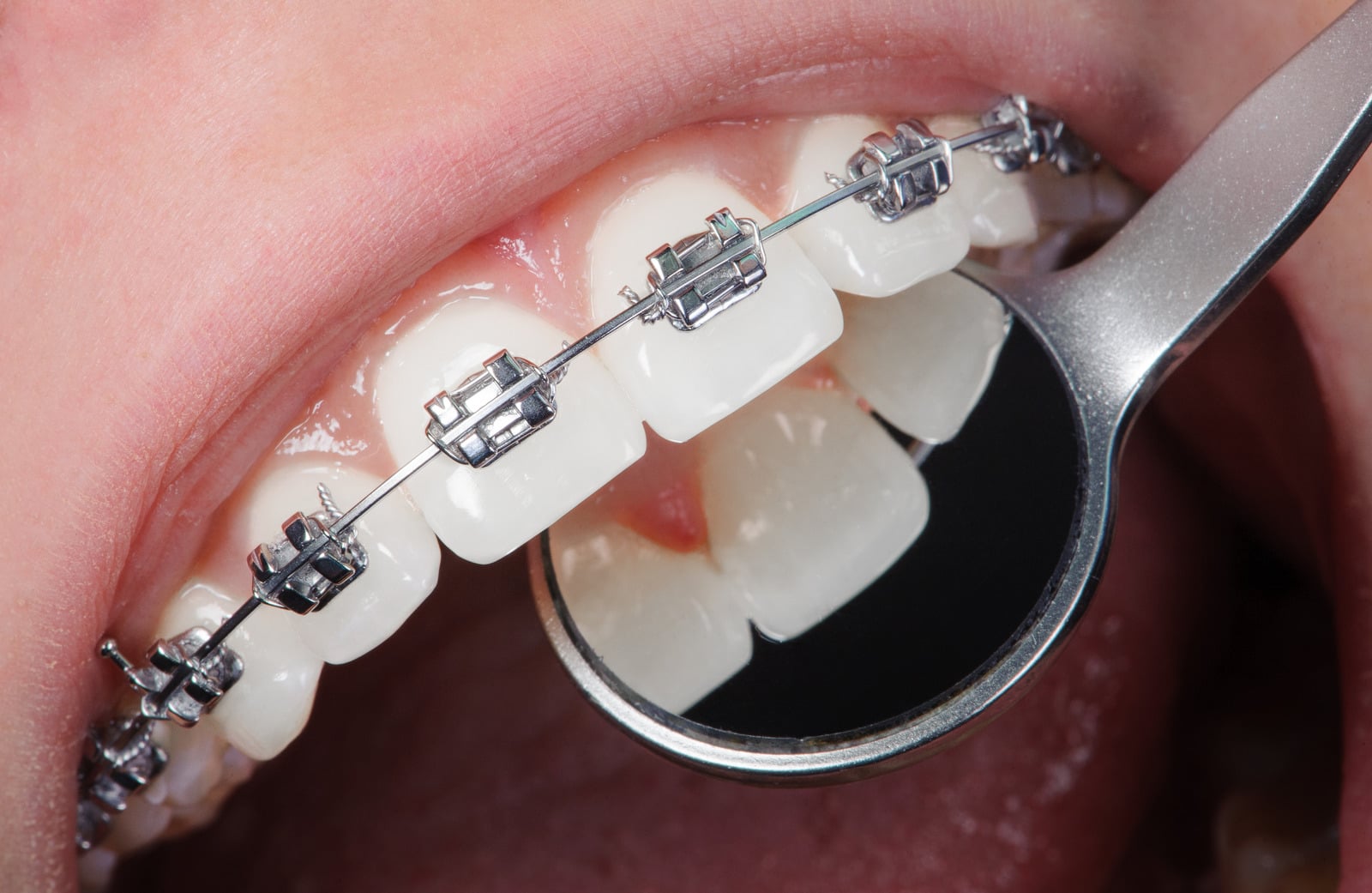
A crossbite is a bite problem where one or more upper teeth sit inside the lower teeth instead of resting slightly outside them when your mouth is closed. Many orthodontists use palatal expanders, braces, clear aligners, or other appliances to correct crossbites. It depends on your age and the cause.
Many people are suffering from crossbite without knowing it, particularly in the back of the mouth. Because in some conditions, the teeth may still look fairly straight. In this article, we will discuss the types, the typical causes, and the problems an untreated crossbite can create. We will also learn how treatment works and when to schedule a visit. At the end, you will know exactly what to expect and what to ask.
What Is a Crossbite?
A crossbite is a type of malocclusion, or misaligned bite. It can affect one tooth or multiple teeth and can occur at the front or back of the mouth. According to the American Association of Orthodontists, it is a prevalent form of malocclusion. After overbite and underbite, the third type is buccal crossbite, also known as a Brodie bite, in which the upper back teeth bite completely on the lower teeth. It makes chewing difficult and causes heavy wear. Here we’re discussing the other two main types of crossbite.
Anterior Crossbite
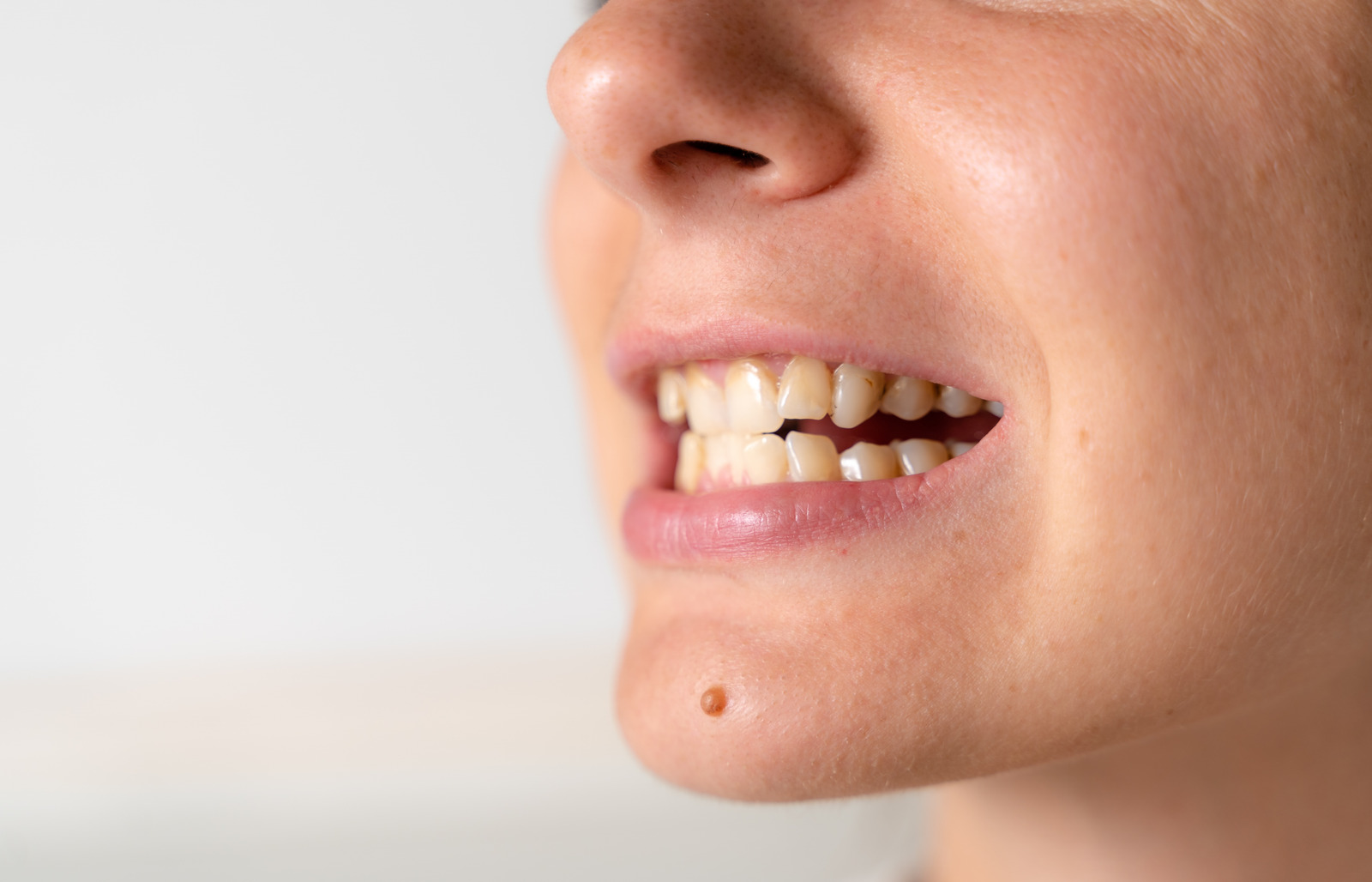
It is the fourth main type of crossbite. It includes one or more upper front teeth, such as incisors or canines, positioned behind the lower front teeth and looks similar to an underbite. However, an underbite typically affects all of the front teeth or the jaw itself. Because the anterior teeth show when you smile, this type is often easy to identify.
Posterior Crossbite
It means the upper back teeth (premolars and molars) bite inside the lower back teeth. It can affect one side or both. It is difficult to notice in the mirror. That’s why many posterior crossbites are shown during an orthodontic exam.
Type | What Happens | Common Signs |
| Anterior crossbite | Upper front teeth are positioned behind lower front teeth | It can be visible when smiling; lower teeth may wear quickly |
| Posterior crossbite | The upper and lower back teeth bite into each other. | The jaw may move to one side when closing. |
| Buccal (Brodie) bite | The upper back teeth bite completely outside the lower teeth. | You can feel difficulty in chewing and heavy wear |
What Causes a Crossbite?
A crossbite is typically caused by genetics, differences in jaw growth, or crowded or misplaced teeth. Childhood habits such as thumb sucking can also cause it, and it often involves multiple factors. So that’s why two people with the same crossbite may need different treatment. An orthodontist can determine the reason for your bite.
Genetics and Jaw Development
Jaw size and shape run in families, so it may be inherited. Rarely, the upper jaw is only narrower than the lower jaw. Invisalign says that mouth breathing is associated with long-term nasal blockage or enlarged tonsils, which can also restrict upper jaw growth.
Tooth Crowding and Tooth Position
Crowded teeth can push a tooth out of its normal place, which leads to a crossbite. The AAO also lists baby teeth that fall out late and adult teeth that come in abnormally. Habits such as long-term thumb sucking or atypical swallowing can add pressure that moves teeth and changes bone shape.
What Problems Can an Untreated Crossbite Cause?
If left untreated, a crossbite may cause uneven tooth wear, jaw movement, discomfort, and difficulty chewing. In children, it may also cause lopsided jaw growth. The longer it lasts, the harder it may be to fix.
Uneven Tooth Wear
When teeth do not meet correctly, they require extra force. This results in excessive or abnormal enamel wear, which the AAO strongly warns about. Worn teeth can chip and become sensitive. They also require dental repairs sooner. If you want to save money and time, treat it early.
Jaw Discomfort and Uneven Bite Pressure
A crossbite can make the jaw move to one side when you close. It puts uneven pressure on your joints and muscles. Additionally, Invisalign reports jaw pain, cheek biting, and teeth grinding as possible side effects. These issues differ greatly from person to person.
Possible Effects on Tooth Alignment
Because the jaws and teeth act together, a crossbite can also impact surrounding teeth. It can cause asymmetric jaw growth in growing children, and severe cases may eventually require jaw surgery. Early correction can prevent this. This is one reason orthodontists like to see children when their jaws are still developing.
How Do Orthodontists Correct a Crossbite?
Orthodontists can use palatal expanders, braces, clear aligners, elastics, and specialised appliances for correcting crossbite. The best approach depends on age, severity, and whether the teeth or jawbone is the problem. Some cases combine multiple methods.
Braces and Other Orthodontic Appliances
Braces apply constant pressure to shift your teeth into place and align the upper and lower arches. Elastics, or rubber bands, can move individual teeth or adjust arch width. For narrow upper jaws, a palatal expander gradually extends the upper arch, and braces frequently follow to fine-tune the bite. Your orthodontist may use many tools in the same plan.
Clear Aligners for Suitable Cases
Clear aligners are best for correcting mild to moderate dental crossbites in children and adults. Aligners can be chosen for correcting crossbite teeth based on the type, age, and cause. If the jaw bone is causing the issue, aligners might not be enough.
Early Treatment for Children
The greatest advantage is that children’s jaws are still developing. Early treatment can also help prevent underlying jaw problems. An expander is often used at this stage and lasts for several weeks or months. Many adults who have severe skeletal crossbites may require jaw surgery or bone-supported implants instead.
How Do You Know If You or Your Child Has a Crossbite?
Your child may have a crossbite if some upper teeth close inside the lower teeth. It can cause them to shift their jaw to one side when they bite, or they may have uneven wear or difficulty eating. But only an exam can confirm it. So, look in the mirror while biting down carefully. If any upper teeth are positioned behind the bottom ones, that is a warning sign. Also, watch for a jaw that slides sideways, cheek biting, or sore jaw muscles. Because children don’t frequently complain, parents should look for these signs themselves. If you’re unsure, a short exam may answer your questions right away.
When Should You Schedule an Orthodontic Evaluation in Chattanooga?
Schedule an evaluation as soon as possible when you notice a crossbite, and for children by about age 7. Early visits provide the greatest options, and adults can receive treatment at any age. Waiting is rarely beneficial because Invisalign cites Cochrane, which states that about 1% and 16% of children with only baby teeth have posterior crossbites, and many of those continue after adult teeth erupt.
Frequently Asked Questions
Can braces fix a crossbite?
Yes, braces can fix most crossbites by shifting your teeth into better alignment. In this condition, expanders or elastics may be added if you’ve narrow jaws.
Can Invisalign correct a crossbite?
Invisalign is very effective for correcting many mild to moderate dental crossbites. But skeletal crossbites frequently require other appliances first.
Is crossbite treatment necessary for children?
Early treatment is often recommended because it prevents jaw problems and lopsided growth. An orthodontist can tell you if your child requires it now.
Can a crossbite correct itself as a child grows?
No, some posterior crossbites in baby teeth continue after adult teeth erupt. That’s why we always suggest a checkup because it is the safer option.
Final Thoughts
Now you have all the information about how a crossbite occurs. It may result from habits, crowding, jaw growth, or genetics. If it’s left untreated, it may also cause uneven wear and jaw problems. With expanders, braces, aligners, and other appliances, you can correct it. Treating it early gives you more options. At Webb Family Orthodontics, we help Chattanooga families find the right crossbite treatment with clear, friendly guidance. Schedule a consultation with us today.

Webb Family Orthodontics

Your Family's Smile Specialist
Braces & Invisalign for the whole family in Chattanooga, TN. Flexible payment plans — get started today!
Request Free Consult